Era Pickleball: Understanding Court Access and Hours
If you’ve wandered into Era Pickleball lately, you’ve probably noticed how the place moves with the rhythm of the day. The sunmarks the outdoor courts, the lights glow over indoor bays, and the staff circles through like conductors of a busy orchestra. The real arithmetic behind all that activity is simple: court access and hours. But behind the simple math lies a web of policies, memberships, booking systems, and a living schedule that shifts with seasons, events, and the ebb and flow of the local pickleball community. This article aims to unpack the experience, not just the rulebook, and to offer practical guidance drawn from real-life observations of courts, clubs, and facilities under the Era Pickleball umbrella.
First, a quick map of the landscape. Era Pickleball operates both indoor and outdoor facilities, with a mix of public access, member reservations, and structured programming. Indoor courts shield players from rain and heat, offering predictable schedules and controlled lighting. Outdoor courts, by contrast, deliver sunshine and fresh air, but they carry the weather and the daylight cycle as cohosts. The balance between these two environments influences when and how players can get on the courts, and it shapes the choices players make about when to come and how to plan for a session.
Understanding the hours starts with recognizing two layers of access: fixed hours and flexible access. Fixed hours are the time blocks posted on the facility’s calendar, often tied to specific courts or bays. Flexible access comes from inventory that can be reserved or opened up when courts are not in use for league play, lessons, or events. The practical effect is that the same facility can feel like a quiet retreat in the morning and a buzzing hub in the late afternoon, depending on how the day’s activities line up.
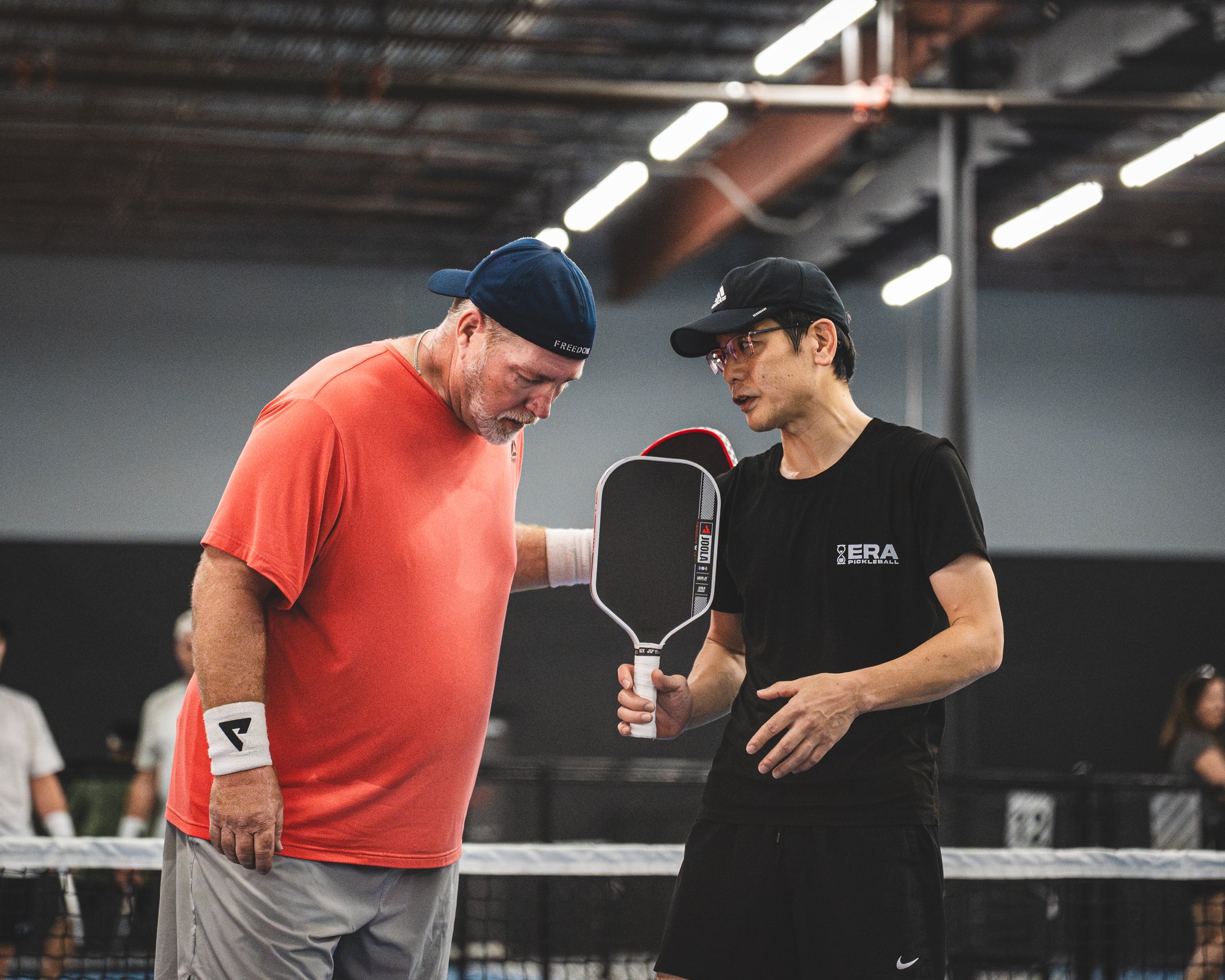
In many Era Pickleball locations you’ll encounter three common pathways to get on a court. The first is a walk-up option, where a player or a small group can grab an open court when space exists. The second is a time-block reservation, where you book a specific court for a set window. The third pathway lives in structured programming—leagues, lessons, and club events that reserve blocks of time for a defined group. Each pathway serves a different player profile: casual players who want spontaneity, competitive players who want guaranteed time, and learners who pursue instruction with a built-in schedule. The resulting ecosystem is a delicate balance of spontaneity and planning, and the best approach depends on what you’re chasing on a given day.
A key factor in practice is the difference between indoor and outdoor environments, especially when it comes to timing and pacing. Indoor facilities tend to run on a tight, predictable schedule. Doors open, lights come on, and the check-in process starts on the minute. That precision benefits players who value reliability, especially families juggling multiple activities or players who rely on a commute. Indoor courts also tend to have clearer boundaries for when the courts are reserved and when they’re open for general play. The indoor environment offers climate control, better acoustics for commentary during clinics, and a more predictable surface condition. Maintenance windows are planned, dustups are minimized, and the surface tends to stay more consistent across a season.
Outdoor courts, by contrast, embrace the natural rhythm of weather and daylight. Availability can shift with sun exposure, wind patterns, and precipitation. Some days you may arrive to find a few bays taped off for maintenance or a paralleled event. Others, you may walk on without a reservation and claim a court that’s free after a quick check-in. The flexibility of outdoor hours rewards players who are willing to adapt to the day’s weather and who can take advantage of late-day sunlight or early morning quiet. A practical tip for outdoor access is to watch the forecast and arrive with a backup plan in mind—be ready to switch between outdoor and indoor options if conditions demand.
For the serious player, understanding the specific hours and access rules requires looking at a few concrete areas: booking windows, peak vs off-peak times, and the policies that govern priority access. Booking windows vary by facility. Some Era Pickleball locations offer same-day reservations for a block of 60 or 90 minutes. Others require booking several days in advance for peak times. If you’re operating on a tight schedule, the most reliable strategy is to align your planning with the posted booking calendar, set alerts, and consider a backup option such as a nearby indoor court if outdoor sessions get crowded or washed out by weather.
Peak times are, almost by design, the most crowded periods on any given day. In many communities, weekday evenings and weekend mornings draw the densest crowds as players finish work or school obligations and families pursue weekend routines. The need to navigate peak times often leads to a few practical compromises. You might choose a shoulder hour, say early morning or late afternoon, when the volume is lower but courts remain plentiful. You might join a league or sign up for a structured clinic to guarantee a block of time with other players who are aligned on skill level and goals. In contrast, off-peak hours can feel almost private at certain facilities, offering the clarity to drill a specific shot without the tempo of a crowded gym.
A visitor can quickly see that the economic structure of era pickleball facilities shapes access as much as policy. For those without a membership, day passes or guest fees are the default route to court time. The cost structure typically aligns with the scope of services offered: access to shared courts, use of equipment, and perhaps participation in a supervised session. Members, meanwhile, often enjoy priority access windows, reduced or waived guest fees, and early access to booking slots. The trade-off is straightforward: membership costs money and sometimes requires a commitment to a minimum term, but the upside is predictable access and a smoother schedule when the court calendar fills up.
An important practical dimension is the check-in and court turnover process. In many Era Pickleball venues, check-in requires presenting a membership card or a confirmation on a mobile app. The staff uses real-time status boards to indicate which courts are open, reserved, or undergoing maintenance. If you do not check in promptly, your court time may be released to the next player in the queue, especially during peak demand. If you’re teaching a clinic or coaching a junior program, you’ll be expected to arrive a bit early to set up nets and prepare equipment, keeping the session on schedule and minimizing delays for the next group.
One of the most useful habits for players of all levels is to plan for contingencies. You arrive with a plan to play three games and end up needing to sub in for a late reservation. You want to be flexible and respectful of others who are waiting. Etiquette matters in practice and in competition, and it affects access indirectly. If you’re courteous about sharing courts, keeping conversations concise, and maintaining a fast but fair pace, you’ll reduce the risk of friction when the court queue is long. In some eras of the sport there’s a built-in tension between the desire for solo practice and the communal nature of shared spaces. The best players learn to fold into the cadence of the facility and read the room as a signal of how to pace their own session.
The physical layout of Era Pickleball facilities also shapes how access and hours feel on the ground. Indoor courts are typically arranged in bays or pods, allowing quick transitions from one match to the next while minimizing downtime. This design enables a “one more if it fits” mentality, a practical nudge to squeeze in a quick extra game when the clock allows. Outdoor layouts can include long rows of courts with chain-link fences, clear sightlines, and space for spectator seating or a small seating area for remotes or families waiting between matches. The sightlines matter: you want to be able to see the court where your match is scheduled while staying available for a flyer or a quick snack run between games.
For players who are new to Era Pickleball or new to the sport altogether, the learning curve around access and hours can be a hurdle. A few actionable tips can make a big difference. First, sign up for the facility’s notification channels, whether that means a mobile app, email list, or social media feed. You’ll get updates on court maintenance windows, special events, and changes in booking policy that could affect your planned session. Second, map out your plan B in advance. Before you head out, know which nearby indoor and outdoor options you could pivot to if your first choice is fully booked or weather signs indicate a shift. Third, if you’re exploring a new Era Pickleball location, spend a half-hour early on a weekend to observe the rhythm: where do players gather, how quickly do the courts fill, and what cues do staff use to signal priority for certain groups?
Two practical snapshots from the field illustrate the variety you’ll encounter across Era Pickleball venues. At a suburban indoor facility with a compact footprint, weekday evenings run like clockwork. Check-in opens doors at 5:30 p.m., and you’ll see a queue form for reserved courts well before the posted start time. Walk-up players can still find space if they are willing to join a rotation or participate in a short drill session run by a staff pro. The staff keeps a live board that shows time slots as they fill, which helps players gauge whether there’s a window for a late-night session after dinner. Meanwhile, the outdoor courts adjacent to the same complex belong to a different booking ecosystem. pickleball near me Here you’ll often see sunrise sessions that attract runners and early birds who prefer the cooler air. In the late afternoon, a group may reserve a block for a league match, and after that, casual players arrive to squeeze in a few games before dusk. The contrast between the two environments is not just about weather; it’s about the tempo of the day and the way players choose their time based on what matters to them most.
Another field-based example shows how membership and non-member access interact with hours. A newer Era Pickleball club location launched a flexible pricing model to encourage trial while building loyalty. Non-members can book courts during public hours, paying a modest guest fee and borrowing equipment from the front desk. Members enjoy priority access during peak times, and they also have access to extended-hour blocks that are otherwise unavailable to non-members. This approach creates a gentle incentive to consider membership without locking players out of the facility if they’re not ready to commit. In practice, this means a short, frictionless first visit can become a regular habit for a player who discovers the benefits of a consistent booking window and a community that shares tips and stories about favorite shot types, trusted drills, and the social elements that make a pickleball environment feel communal rather than transactional.
Beyond the mechanics of access lies the broader purpose of these hours. For many players, time on the court is a daily ritual that anchors physical health, social connection, and mental focus. The structure of hours and the way access is allocated shape how players train, how they compete, and how they experience the sport with others. A seasoned player will tell you that a good practice session is not simply about grinding a particular drill or rally. It is about building a rhythm that matches the facility’s cadence, learning to read the queue, and using the hour you’ve earned to achieve a specific micro-goal. Whether you want to refine a serve, test your net play, or practice dinks in a controlled environment, the hours you carve out and the way you manage your time matter just as much as your drop shot or your cross-court backhand.
To translate all this into a practical, user-friendly mindset, consider the following two lists. They’re compact by design, but they encapsulate the core habits that make court access smoother and more predictable across Era Pickleball locations.
Checklist for securing time on the court
- Check the facility’s booking calendar a day ahead, then again on the day you plan to play to catch any last-minute changes.
- Decide whether you want indoor reliability or outdoor flexibility, and plan a backup option in case your preferred environment fills up.
- Bring a backup plan for equipment and attire, including appropriate footwear and a spare paddle if you are traveling with a partner.
- Arrive with a clear aim for the session, such as a specific drill, a certain number of games, or a targeted improvement area.
- Respect the queue and the turn-taking norms, and be ready to rotate if the court line grows.
A quick guide to navigating indoor versus outdoor access
- Indoor venues offer predictability and climate control, but they sometimes require tighter adherence to scheduled blocks.
- Outdoor venues reward flexibility and longer daylight windows, but weather and wind can shift availability quickly.
- Membership often yields priority access and lower guest fees, though day passes remain a valid option for newcomers.
- Weekend mornings tend to be the busiest across many facilities, while weekday early mornings or late evenings can offer quieter play.
- If you can, combine both environments across a week to keep skills fresh and avoid burnout from overloading one setting.
As you read this, you might ask whether Era Pickleball is doing enough to balance accessibility with the needs of serious competitors. The truth is nuanced. The facilities lean into practical scheduling that favors both beginners and advanced players, with a spectrum of offerings designed to maximize court time without overwhelming staff or draining the surfaces. The distinctive challenge remains: how to maintain the vitality of a community-centered sport while keeping the hours coherent for families, commuters, and players who want a predictable plan. In the real world, that balance is earned through attentive operations, clear communication, and a willingness to adjust as the calendar turns.
What makes this topic especially relevant is the aspirational nature of pickleball itself. The sport rewards consistency and repetition, and the rhythm of the hours you set determines your rate of progress. A player who commits to a steady schedule, who uses booking tools intelligently, and who makes the most of both indoor and outdoor environments will grow faster than the person who treats court time as a flaky bonus. The social dimension matters, too. The era of pick-up games is alive and well in Era Pickleball communities, but those informal moments flourish when there is a shared culture around access. Regulars tend to know the staff, the peak patterns, and the best lanes to use when they want to avoid frustration and maximize practice.
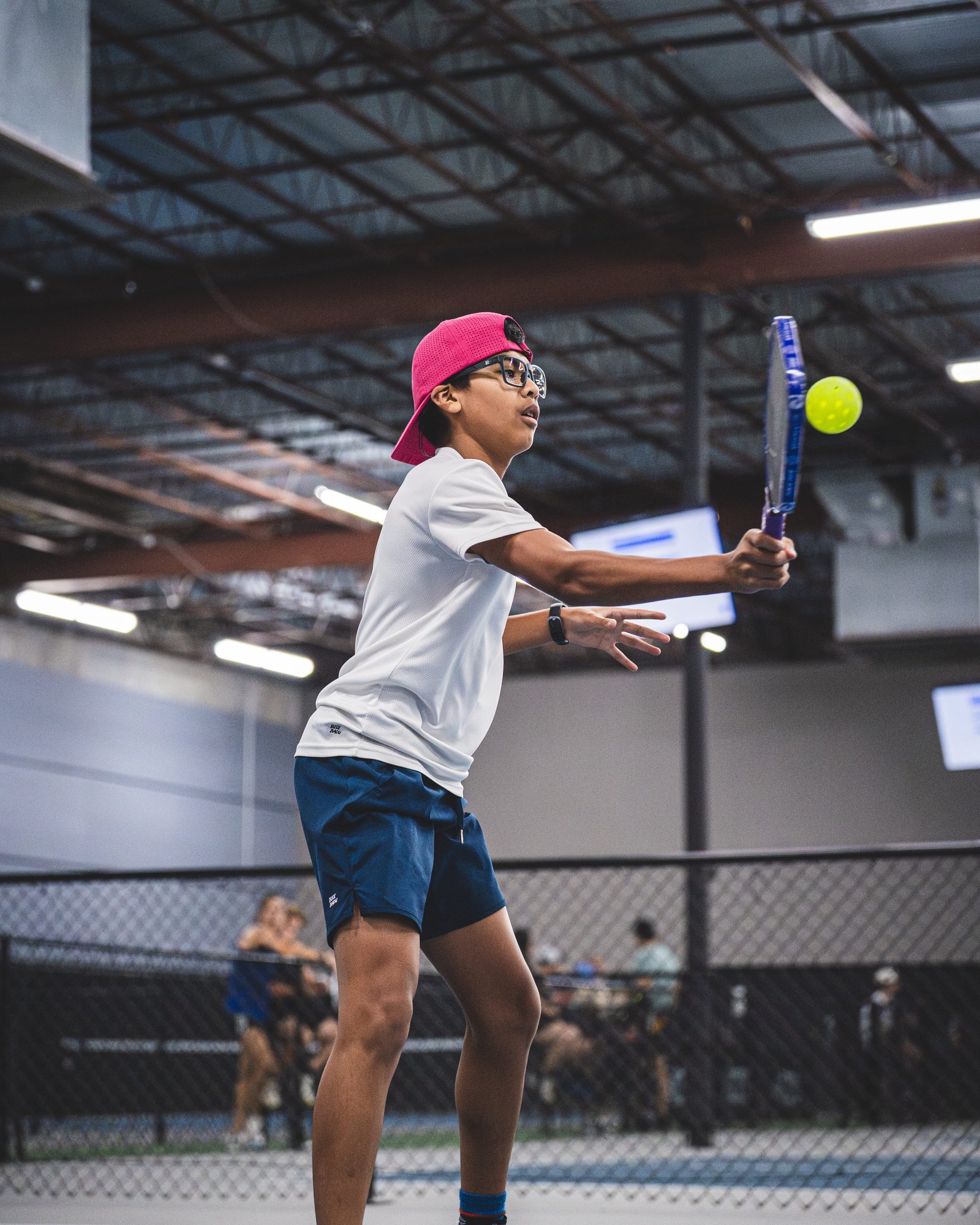
It’s also worth noting how court access intersects with broader trends in recreation centers and sport facilities. Demand is rising, but so is the sophistication of booking systems and member-first policies. Some facilities have adopted tiered access models, where early birds can claim the best slots, while others ensure a fair distribution by rotating peak-time access among a defined queue. The practical effect for players is that you may need to adjust your expectations seasonally, especially around school holidays or major local events that draw crowds. A little patience and a readiness to adapt will help you navigate these periods without losing your momentum.
For seasoned players who want to optimize their practice while staying within the rules, the recommended approach is straightforward. Build a weekly pattern that aligns with the facility’s posted hours and booking windows. Keep a running list of alternative times and venues that you can pivot to when your primary option is unavailable. Track your performance against a simple personal metric, such as winning percentage, number of drills performed, or the number of different shot types you successfully execute in a session. The data doesn’t have to be fancy to be useful; even a small notebook or a notes app can help you hold yourself accountable and see progress over time. With time, you’ll start to read the rhythm of the courts the same way you read a serve. You’ll learn to anticipate busy periods, recognize slots that consistently open up after a maintenance window, and know when to reserve a court a week in advance for a league night that you cannot afford to miss.
In closing, the question of court access and hours at Era Pickleball is not simply a logistical concern. It is a reflection of how a community integrates sport, leisure, and social connection into daily life. A well-run facility provides a reliable framework that respects both the needs of casual players who show up with friends and the ambitions of serious players chasing meaningful improvement. The right balance between indoor consistency and outdoor spontaneity helps everyone to play more often and to enjoy the sport’s full range of experiences—from the careful control of a soft dink to the electric pressure of a playoff point with the gym buzzing around you.
If you are planning your next visit to Era Pickleball, here are a few final considerations to keep in mind. First, check the calendar with both your personal schedule and any family commitments. A few extra minutes in the planning phase can pay big dividends in how many games you actually play and how well your body handles a longer session. Second, be prepared for changes. The most predictable plan can still encounter a weather delay, a staff meeting, or an urgent maintenance window. Having a flexible mindset will prevent disappointment and preserve your energy for the court. Third, engage with the community beyond the court. A quick chat with a staff member about the best times to visit, a short exchange with a fellow player about a drill that worked for them, or a note about a preferred court type can enrich your experience and help you integrate into the network of players who share your love of the sport.
The hours of Era Pickleball are not just a timetable. They are the pulse of a growing community that values access, fairness, and the joy of play. When access is managed well, the sport becomes less about chasing court time and more about chasing that moment of crisp contact, that rally that pushes you a little farther, and that sense of belonging you feel when you walk off the court with a new skill under your belt. In the end, the hours you invest translate into the miles of improvement you accumulate, and the friendships you deepen, one serve at a time.