pickleball classes erapickleball.com: Inclusive Programs for All Levels
The first time I watched a beginner step onto a pickleball court with a racquet that felt almost like a misfit to their hands, I understood why inclusive programming matters more than the latest drill or the flashiest footwork cue. Inclusion isn’t a checkbox or a marketing line. It is the quiet confidence a player gains when they realize the sport will adapt to them, not the other way around. Era Pickleball has built its coaching ethos around that insight, designing pickleball classes erapickleball.com that welcome people at every stage of learning and every body type. The result is a community where the rhythm of the game is accessible, not intimidating.
In practice, inclusive programming starts with the tone of the instructor, but it extends to the whole framework of class design. It means offering clear progressions, accessible equipment, flexible pacing, and communication that respects different learning styles. It also requires a honest acknowledgement of common barriers. Some players juggle family responsibilities, others navigate physical limitations, and a handful are returning to sport after years away. The best programs meet these realities with structure and flexibility, not excuses.
This article looks at how Era Pickleball translates inclusive intent into concrete class formats, training pathways, and coaching approaches. It draws on real-world examples from classes and coaching sessions that have helped players grow from tentative beginners to confident participants who can rally with friends and compete with purpose. The focus is practical: what a student gains, what a coach lends, and how the system adapts as players improve or shift goals.
A philosophy of accessibility
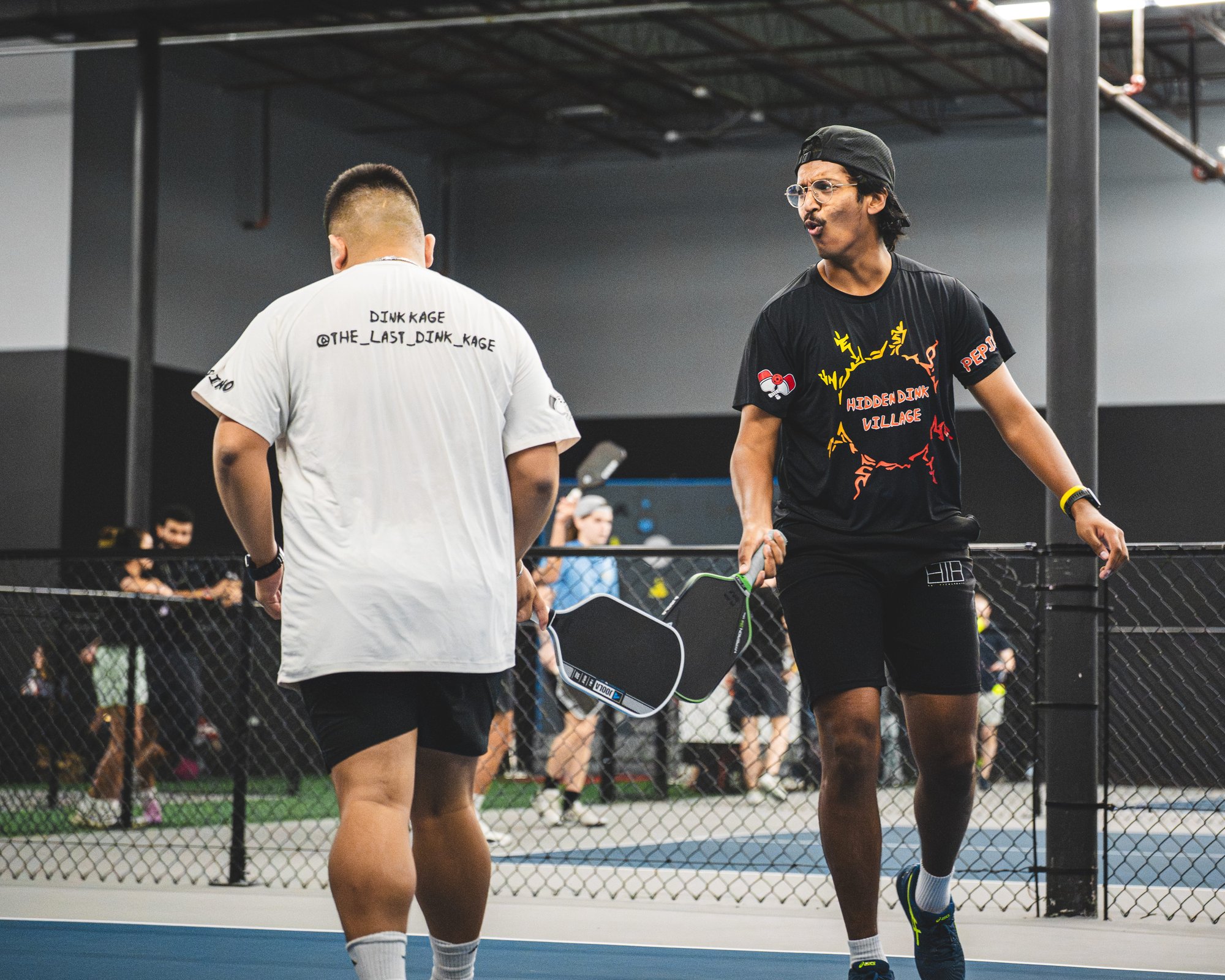
From the outset, Era Pickleball positions itself as a partner to every player. The adage that progress is personal becomes a practical guideline for every lesson. Coaches start by conducting informal assessments that don’t feel like exams, just a quick read on the learner’s current Era comfort level with balance, paddle control, and court sense. If you talk to a trainer who has worked with multiple generations of learners, you hear the same refrain: the best progress happens when the learner feels seen and respected.
What does that look like in a class? It means choosing scalable drills that deliver tangible wins. A drill that sounds simple on the surface can be fascinatingly intricate in execution, and Era Pickleball coaches frequently frame this through a lens of sensory feedback. Is the paddle turning over at contact? Is the player maintaining elbow alignment, or is there stray tension in the shoulder? The goal is not to push through fatigue but to nurture a quiet, repeatable technique that players can carry beyond the session.
Another hallmark of inclusive programming is time allocation. Classes aren’t crowded into a rigid 60-minute slot at the expense of individual attention. There is room for slower pacing when needed, plus brief check-ins at the end of each segment to consolidate learning. The approach is subtle but powerful: learning sticks better when players feel they own the pace of their improvement rather than chasing a predetermined schedule.
Equipment considerations also reveal a commitment to accessibility. Era Pickleball classes sometimes incorporate lighter paddles or junior-size options for players who benefit from reduced weight or shorter reach. This is not a gimmick; it is a recognition that equipment can either enable or hinder a learner’s sense of control. Courts are chosen with surface and spacing in mind so that footwork remains manageable for new players who are still discovering their balance. The difference is not a small one. It translates to fewer missed shots, less frustration, and more smiles on the court.
Inclusive coaching means a willingness to adapt communication styles. Mirrors and demonstrations are tempered with verbal cues that emphasize intent. Some players absorb information visually, others respond to physical guidance, and several learn best through trial and error. Era Pickleball coaches rotate through modalities so no learner is left guessing. When a player asks a question, the answer is framed in concrete terms: what to do, why it helps, and how it changes the feel of the stroke. This clarity builds competence and confidence, two ingredients that go a long way toward keeping players engaged across weeks and months.
What players gain from inclusive classes
If you survey players who have moved through Era Pickleball’s programs, the recurring themes are not simply improved rallying or better serve placement. The real value shows up in how players interpret the game and themselves within it. A few players arrive with a sense that they are starting late or that their athletic identity is in flux. The classes respond with a steady insistence that every skill has a friendly, actionable path forward.
First comes comfort. When a player learns to navigate the court with steadier footing, they begin to take more initiative. No more waiting for someone to shout instruction. They experiment with shot selection and observe outcomes with a calm curiosity. This is not bravado. It is a cultivated habit of practice that makes the court less daunting.
Second comes autonomy. In inclusive programs, players become capable of setting personal goals and tracking their own progress. Coaches provide tools for self-assessment, whether it is a simple skill checklist, a video review, or a guided drill that can be repeated on a practice day. The learner gains agency, which in turn increases consistency and enjoyment.
Third is community. A class that respects different stages of proficiency naturally builds a social fabric. Players celebrate milestones together, share tips in an encouraging tone, and still hold space for friendly competition. The sense of belonging is not a soft feature; it is a durable driver of retention. When someone feels they are part of a supportive network, they are likelier to keep showing up.
Fourth, resilience. The sport hands out both small failures and big challenges, sometimes in the same drill. A well-designed inclusive class teaches players to recalibrate quickly, to shift strategy without losing confidence, and to reframe mistakes as essential data for improvement. That mindset carries beyond the court into daily life, a subtle but meaningful payoff of steady, patient coaching.
A practical map of programs
Era Pickleball’s training ecosystem is designed to accommodate a spectrum of needs without fragmenting the player base. Classes aim to create a natural ladder that respects prior experience while offering meaningful entry points for newcomers. The system is not a rigid ladder, but a flexible network of touchpoints that players can move through at their own pace. Some players begin with fundamentals and breeze forward; others come back to rework a shaky forehand or to refresh their court movement after a layoff. Either path remains valid within the same inclusive framework.
One of the most successful design choices is to mix structured curricula with open play blocks. A typical week might contain a focused technique session followed by a guided drill series, then a low-pressure rally time where players apply what they learned in real exchanges. The balance between instruction and application mirrors how people actually learn in real life: repetition under a little pressure, followed by reflection and adjustments.
Era Pickleball coaches also pay attention to the social geometry of the group. A class that has a mix of ages or athletic backgrounds can still feel cohesive if there is a rhythm to pairing and a clear rationale for rotation. For instance, instructors may pair players by skill band rather than by age, ensuring that beginners receive experienced, patient guidance while advanced players stay challenged. The aim is not to segregate by ability but to orchestrate a dynamic where everyone sees progress in tangible terms.
Training modalities extend beyond the court. Video analysis, even when it is brief, can illuminate subtle patterns that words simply cannot. A five-minute clip shown on a phone or mounted screen can reveal micro-adjustments in paddle angle and weight transfer that turn a neutral shot into a controlled weapon. Era Pickleball integrates these tools judiciously, respecting the time limits of a class while providing a meaningful growth lever for curious players.
The role of the coach in inclusive programming
Coaching is the connective tissue of inclusive programs. A coach who embodies the ethos of Era Pickleball is not just a technician who yells out cues. They are a mentor who helps players translate effort into perceptible skill gains. Good coaches observe with patience, listen actively, and tailor feedback to the learner’s moment. They understand when to push and when to pause, when to celebrate a small win and when to pivot to a different drill that targets the same underlying capability.
Communication is the backbone of effective coaching. Clear instructions paired with demonstrations and a brief rationale create a dependable learning loop. When a coach explains why a particular movement matters, players internalize the purpose behind each action. That sense of purpose translates into longer attention spans during practice and steadier performance during play.
Another critical element is trauma-informed coaching, a concept that might sound heavy but is profoundly practical in sport settings. A player who has faced a fall or a previous injury deserves a learning environment that minimizes risk while enabling progress. Coaches who adopt a cautious, respectful stance help build trust, which is the foundation of consistent participation. It is not about softening the heat of competition but about preserving the player’s willingness to return to the court week after week.
Coaches operating within era pickleball classes constantly refine their craft. They seek feedback from players, observe what works in different contexts, and adjust as the season evolves. This iterative approach mirrors the sport itself: a combination of plan, trial, feedback, and adaptation. The cycle is not glamorous, but it produces reliability and a sense of momentum that players can count on.
Real-world scenarios: from first contact to confident play
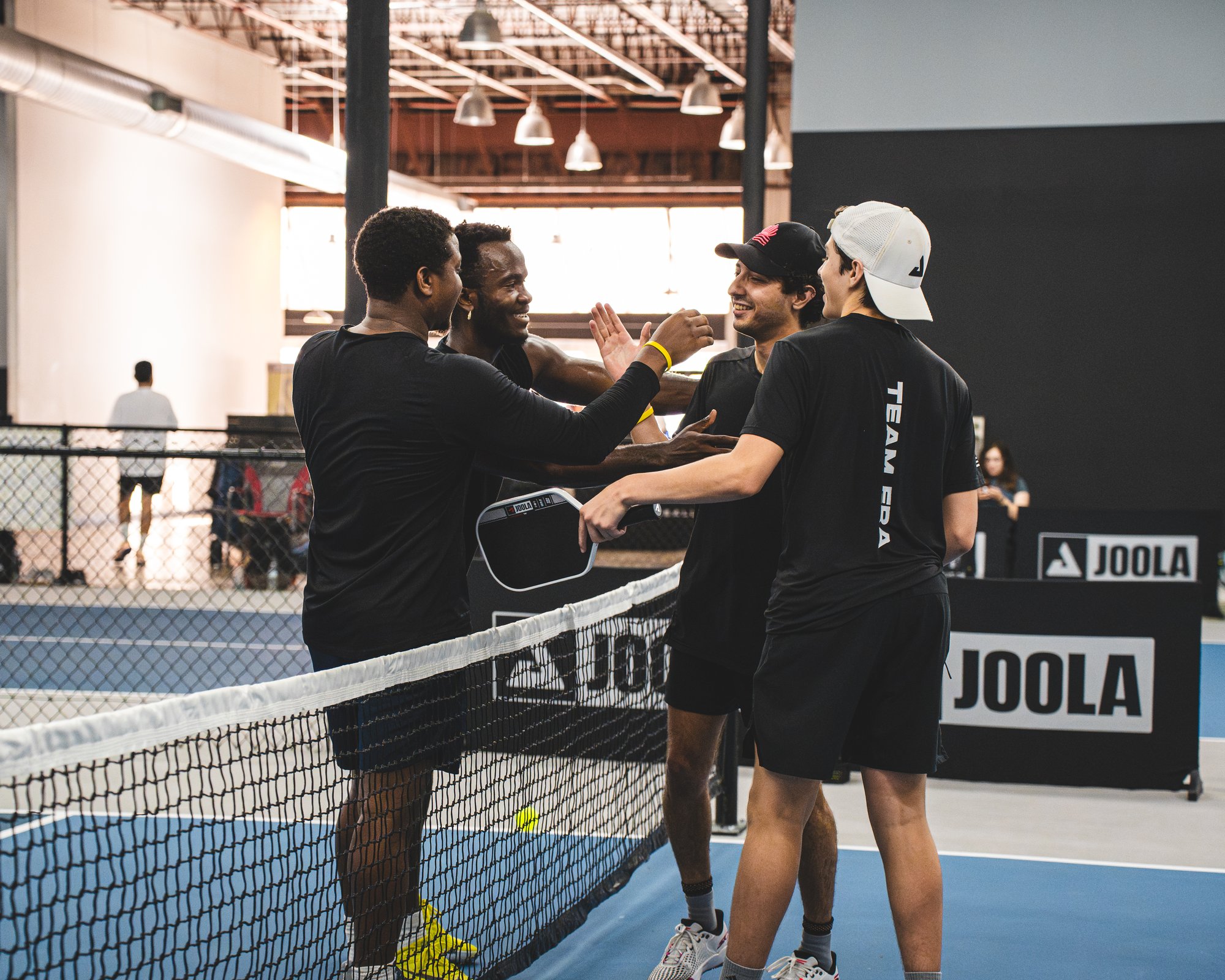
Consider a player who signs up for a beginner class with a healthy dose of skepticism about their ability to learn a new sport. They arrive with nerves about court corners, a tentative backhand, and a perception that speed will overwhelm them. The coach begins with a warm, straightforward introduction to the court layout and the basic grip. There is no pep talk about being a natural at everything. Instead, the focus is on a few controlled moves that yield quick, observable results.
In the first week, the player learns to dink with respect to placement, not power. The coach emphasizes posture, balance, and the importance of reading the ball’s bounce. The participant experiences a small success when a dink lands softly in the non-volley zone and just slips over the line. That moment is not trivial; it anchors confidence and builds the motivation to practice more between sessions.
By the second or third week, the same learner may begin to rally with fellow students under guided constraints. The class might slow down to preserve control, with coaches piping in tips about weight transfer, paddle face awareness, and shot selection under pressure. The player discovers that controlling pace matters just as much as speed and that accuracy can be trained with deliberate repetition.
Another scenario involves a player returning after an injury. The class design recognises a need to rebuild mobility before ramping up intensity. A coach suggests a lighter session focused on footwork patterns and light doubles drills that avoid high-velocity exchanges. The objective is not to rush through the recovery timeline but to reestablish movement patterns safely and respectfully. Over weeks, the same player reports less fatigue, better stability, and a sharper sense of timing when contacting the ball. The improvement feels earned rather than granted, which makes the progress feel more meaningful.
A third scenario features someone who wants to compete at a higher level. The class environment scales with their goals. There is a pathway from fundamentals to technique refinement to competitive play with structured scoring and strategies. The coach ensures the level of challenge grows proportionally to the learner’s improving cadence. The result is a smooth progression from consistent shot quality to more sophisticated shot selection under pressure, culminating in league-style play that remains within a supportive context.
Two lists that illustrate inclusive design choices
What follows are two compact lists that summarize practical design decisions behind era pickleball classes. They are not checklists to memorize but tactile references to what makes the programs work in real life.
-
What makes classes inclusive
-
Clear, scalable progressions that accommodate different starting points
-
Equipment options that reduce barriers for hands, wrists, or reach
-
Flexible pacing and opportunities for extra practice outside class
-
Use of multiple teaching modalities to fit diverse learning styles
-
A culture of positive, constructive feedback that emphasizes growth over speed
-
Programs by level
-
Fundamentals for beginners emphasizing balance, grip, and the first rally
-
Intermediate skill development focusing on consistency and shot variety
-
Advanced play and strategy with situational drills and doubles tactics
-
Fitness- and mobility-enhanced sessions that support long-term participation
The two lists reinforce a core truth: inclusive programming is not a single feature but a constellation of choices that together create a welcoming atmosphere. Each item feeds the others, creating a sustainable cycle of improvement and enjoyment for players at every step of their pickleball journey.
The business logic of inclusive programming
Inclusive programs do not exist in a vacuum. They are anchored in a practical business reality that rewards retention and word-of-mouth referrals. When players feel seen, they stay longer, inviting friends and family to participate. The network effect is powerful in community sports, and it often translates into more stable class schedules, better utilization of facilities, and a reputation that attracts a broader audience.
From a coaching perspective, inclusive classes reduce churn and increase the likelihood that a student will pursue multiple training pathways. That means more opportunities for cross-sell, such as private coaching, small-group clinics, or sport-specific conditioning sessions. It also means coaches gain a more nuanced understanding of how different personalities and backgrounds respond to different instructional approaches. A coach who learns to tailor feedback to a player’s temperament becomes more effective across the board.
Yet inclusion is not a cost-free decision. It requires thoughtful investment in time, staff training, and sometimes equipment. It can involve slower ramp-ups for new learners, longer assessment periods, and a willingness to revise lesson plans in response to feedback. The payoff, though, is measurable: higher participant satisfaction, more consistent attendance, and a wider range of voices contributing to a healthy learning culture.
In practice, Era Pickleball allocates resources toward the elements that generate trust and value. That means investing in instructor development, updating teaching aids, and maintaining accessible facilities. It also means maintaining an inclusive tone in communications, from onboarding emails to in-class reminders. The result is a predictable and dependable learning environment that players can rely on week after week.
A note on metrics and iteration
The most useful metrics in inclusive programs aren’t only about win rates or shot accuracy. They include measures of participation, diversity of attendees, and the rate at which players move from one level to the next without feeling overwhelmed. Coaches quietly track anecdotal signals as well—does a player arrive with less hesitation, are they able to connect with peers during drills, do they request more practice opportunities? Over time, these indicators paint a picture of how well a program is serving its broad community.
Iteration is the engine behind steady improvement. Coaches who routinely revisit lesson plans, gather feedback, and pilot small tweaks create a learning environment that stays relevant as players evolve. An iteration might be as modest as adjusting the tempo of a drill or as targeted as introducing a new cue to address a persistent hook in a learner’s technique. The real point is that the system remains flexible, not rigid. Players should sense that the pathways to improvement are optimized, not blocked, by the way a class is structured.
Stories from the court: lived experience in inclusive practice
Over the years, I have seen countless players transform their experience of sport through inclusive pickleball classes. One participant came with a lifelong hesitation about contact sports, admitting that the moment the paddle touched the ball, anxiety surged. The coach worked with them on breath control during serves and offered a slower pace for the warm-up, with drills designed to celebrate small successes rather than to overpower the nervous system. Within a few weeks, the player described a sense of calm on court that was previously unimaginable. They still remember the moment when they realized they could place a dink with precision in a tight gap rather than rely on sheer speed. That is not a transformative moment in a single class, but it is a turning point in a person’s relationship with sport.
Another story centers on a parent who joined a class with their child. The parent had not played since college and worried about keeping up with younger players. The instructor intentionally designed partners by comfort level and added a gentle competition component that emphasized teamwork over individual score. The parent found that the learning environment prioritized safety and patience, allowing them to re-engage with the sport without fear. The shared experience strengthened the family’s weekend routine and created a new hobby that both could enjoy.
In every case, the thread that holds these stories together is the firm belief that skill and belonging grow together. When players feel respected and supported, they bring more of themselves to the court. They swing with more curiosity, listen more deeply to feedback, and cultivate the kind of steady practice that compounds into real, lasting improvement.
The trajectory of era pickleball classes
If you enroll in era pickleball classes, you are stepping into a system designed to adapt as you adapt. Beginners are welcomed into a set of foundational experiences that establish balance and control. As those foundations widen, players gain access to more specialized clinics and strategy sessions. The pipeline is not about pushing people through a rigid ladder; it is about offering a coherent, patient map that respects where you are today and where you want to be tomorrow.
The culture of Era Pickleball reflects this philosophy in everyday practice. Instructors treat casual play with the same seriousness as competitive play, recognizing that the best learning is often informal and exploratory. The coaching philosophy invites questions, curiosity, and a willingness to try again after a misfire. It does not romanticize difficulty but rather frames effort as the gateway to improvement. This practical realism resonates with players who might have been turned off by sports programs that emphasize speed over understanding.
The bottom line for readers who are evaluating pickleball programs
If you are looking for pickleball classes erapickleball.com that embrace everyone, examine three things: the tone of instruction, the availability of scalable learning paths, and the adaptability of equipment and pacing. Ask about how instructors tailor feedback to diverse learners, how they handle the progression from fundamentals to advanced play, and what assurances exist that players can train at a comfortable tempo while still feeling challenged when they want to push themselves.
Inclusive programming is not a single feature but a living practice. It requires ongoing listening, careful design, and the humility to adjust when a plan isn’t working as intended. Era Pickleball meets those criteria through thoughtful class design, patient coaching, and a community that values every participant’s contribution. The result is more than improved technique; it is a more resilient, connected, and joyful sporting experience that players can carry well beyond the court.
If you are in the market for pickleball training or coaching, consider the breadth of the offering at erapickleball.com. The emphasis on inclusive coaching and accessible training aligns with the needs of players at every level. The program is built to reward consistency and curiosity in equal measure, which is precisely what sustains long-term participation. A class that respects your pace, supports your goals, and keeps the door open for you to come back tomorrow—that is the defining quality of truly inclusive pickleball.
A closing reflection for practitioners and students alike
For those who teach, the responsibility is clear. Create spaces that invite people to show up as they are, with their habits, their fears, and their ambitions. Build tools that translate intention into skill, and set the pace so that improvement feels inevitable rather than negotiable. For players stepping into Era Pickleball or any inclusive program, the invitation is equally direct: bring your curiosity, accept the learning curve, and lean into the supportive community grounded in practical, repeatable progress.
In the end, inclusive coaching is not about lowering standards. It is about clarifying the route to reach them, without leaving anyone behind. It is about designing a sport that can be learned, enjoyed, and shared by people with varied bodies, schedules, and prior experiences. The result is a game that grows with you, a community that keeps you engaged, and a practice that turns into a durable habit. That is the promise of era pickleball classes erapickleball.com and the reason so many players keep returning, year after year, season after season.